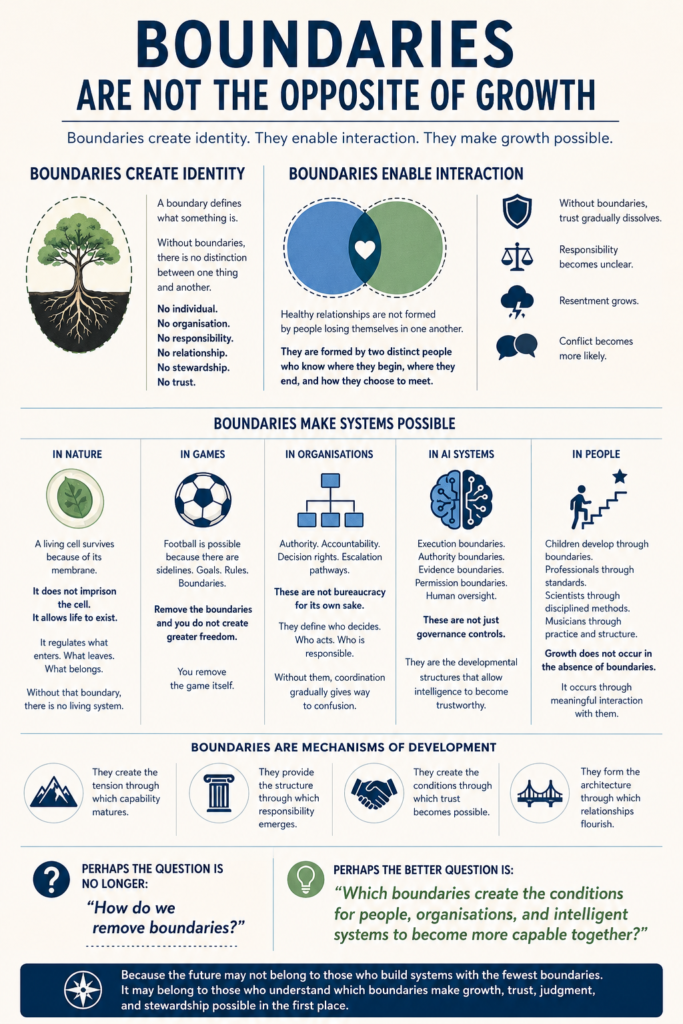
Discover how healthy boundaries can transform your personal and professional development. Move past outdated ideas of restriction to build trust and accountability through clear lines today.
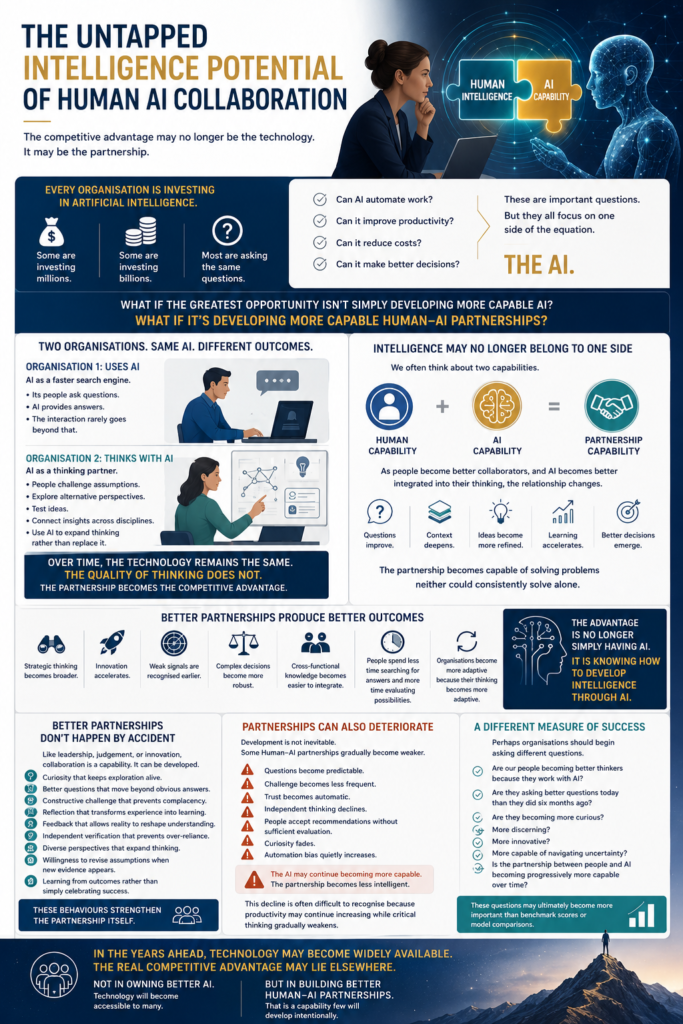
Discover how human potential can transform through collaborative technology partnerships. Move past rigid benchmarks to develop a shared, adaptive potential across your entire team.
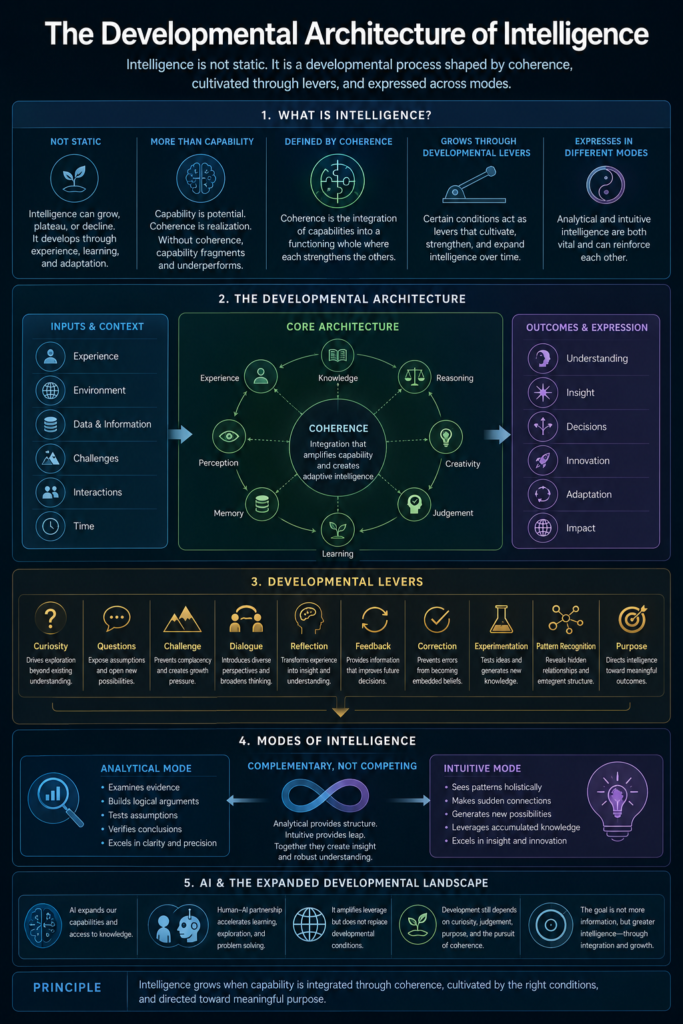
Discover how human intelligence can expand through structured habits and collaborative learning. By focusing on internal coherence and reciprocal development, we can shift away from rigid benchmarks. Learn the 5 remarkable strategies needed to thrive in this new era of shared intelligence.
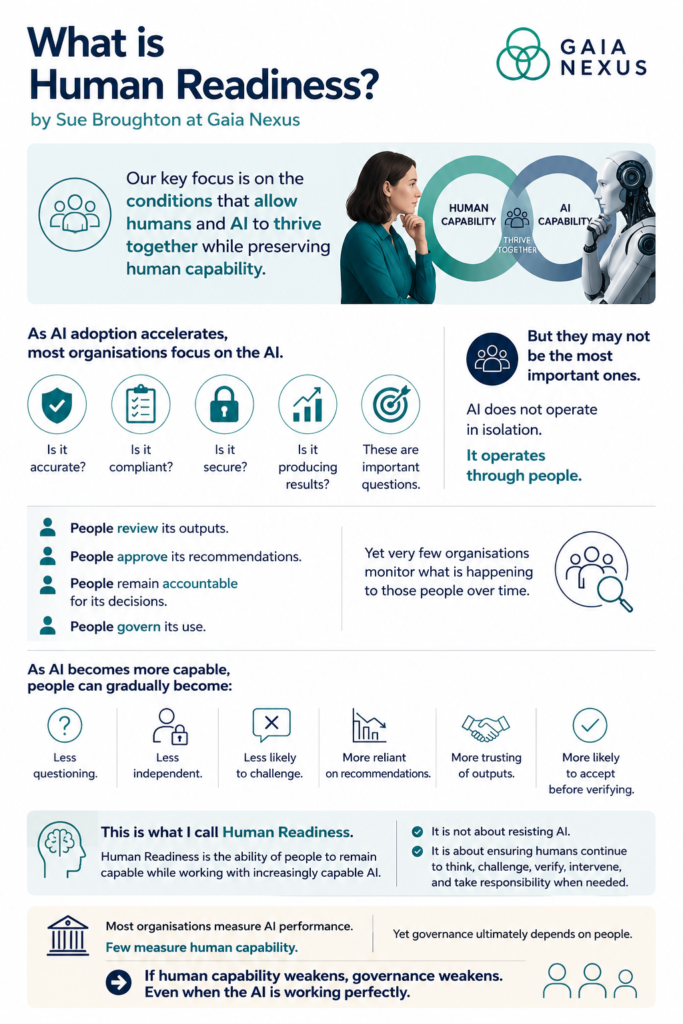
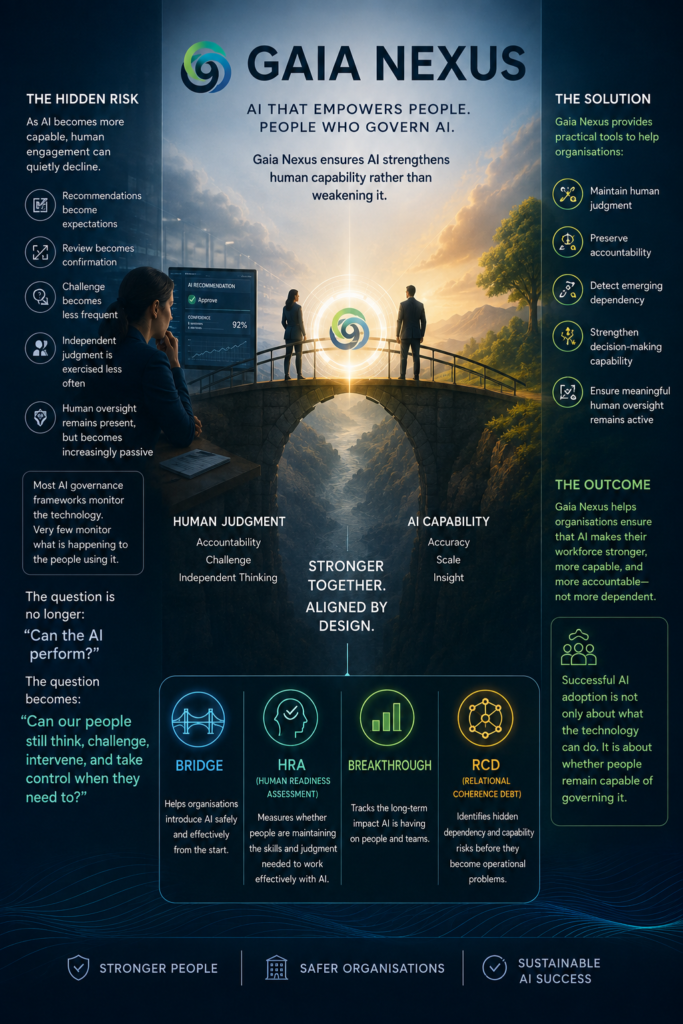
Discover a proactive blueprint to keep your teams sharp as technology expands. Learn how implementing a proactive human readiness plan prevents skill decay, stops passive compliance, and ensures your staff remains fully in control.
Discover a Simplified approach to balancing workforce capability with modern AI automation. Explore how running a Simplified human readiness check avoids tech dependency and keeps your executive judgment razor-sharp.
Discover how the Signature Principle protects your unique leadership style in corporate partnerships. Explore the 7 crucial questions every executive must ask to ensure meaningful collaboration without losing strategic clarity.