Human AI articles from Gaia Nexus explore how AI is changing human capability, judgement, collaboration and governance. Browse research insights, practical frameworks and reflections on the evolving relationship between people and AI.
The Gaia Nexus blog looks at how people and AI affect one another through continued interaction. Its articles connect research, practical experience and governance questions to examine what happens as AI becomes part of everyday work, learning and decision-making.
Three themes run through this work: how people’s capabilities change as they use AI; how human-AI relationships develop through interaction; and how organisations can preserve meaningful human judgement and oversight. Together, these themes help readers look beyond a single AI answer or task and consider the wider effects of using AI over time.
Some articles examine how AI can affect people’s ability to think, decide and act for themselves. AI can help people explore ideas, organise information and complete tasks. At the same time, frequent reliance on AI may change how people assess information, challenge suggestions or make decisions without assistance.
The relevant question is not simply whether AI produces a useful answer. It is also whether a person can understand the answer, check it, disagree with it and decide what to do next. These articles explore how human judgement and agency can be supported as AI use expands.
Other articles consider how collaboration develops through repeated interaction. The way a person uses AI can change over time, just as the AI’s role in a person’s work can become more significant. Looking at this relationship over time can reveal changes that a single conversation or performance score may not show.
Topics include communication, trust, adaptation and the conditions that support effective collaboration. The aim is to understand how people and AI can work together while keeping human participation active and meaningful.
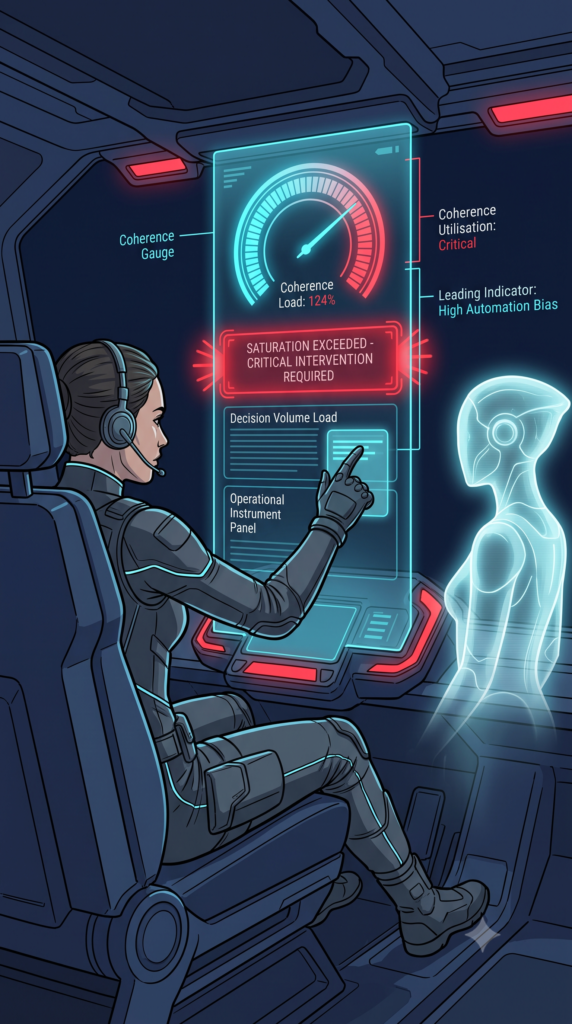
Governance also depends on where responsibility sits when AI is used across a workflow. A person may approve a recommendation, but the quality of that approval depends on the evidence available, the time to review it, and whether the person can change the outcome. These details matter in areas such as financial approvals, healthcare decisions, professional services and internal operations. They help distinguish an AI tool that supports a human decision from a process where human involvement is only nominal. Gaia Nexus articles examine these conditions and ask whether people retain the practical ability to question, verify, correct or escalate when something changes. This connects individual interactions with organisational governance and considers both human capability and the systems around it.
Readers can compare perspectives, follow connections between topics and explore how these ideas apply across personal, professional and organisational settings.
Gaia Nexus publishes research, frameworks and practical reflections for readers interested in the changing relationship between humans and AI. The Academic Papers page presents the research background, while Our Philosophy explains the ideas that inform this work. The Resource Hub brings together additional guides and learning materials.
The articles on this page offer different entry points into these topics. Some focus on a particular interaction or emerging pattern; others consider what that pattern could mean for people, teams or organisations. Readers can browse by interest and follow links to related research and resources.
These Human AI Articles are intended to support informed discussion about how AI is used and how human capability develops alongside it. As new systems and ways of working emerge, the questions will continue to evolve. Gaia Nexus shares its work to contribute to that discussion and encourage further examination.